Ryan Bronson on trial reels, AI video editing and why authentic content still wins attention on social media
By Austin Holmes, Co-Founder & President, Publicity For Good & Signal Raptor / Host of OverPressure Podcast
Focus Insights
- Ryan Bronson treats content as a volume game and suggests testing several edits of the same video to see what an audience responds to.
- AI editing tools can clean up audio, add captions and cut ads from raw footage, and Ryan says the message has to be strong before any of that helps.
- People on social media want a genuine connection, so AI should support your ideas and leave your voice intact.
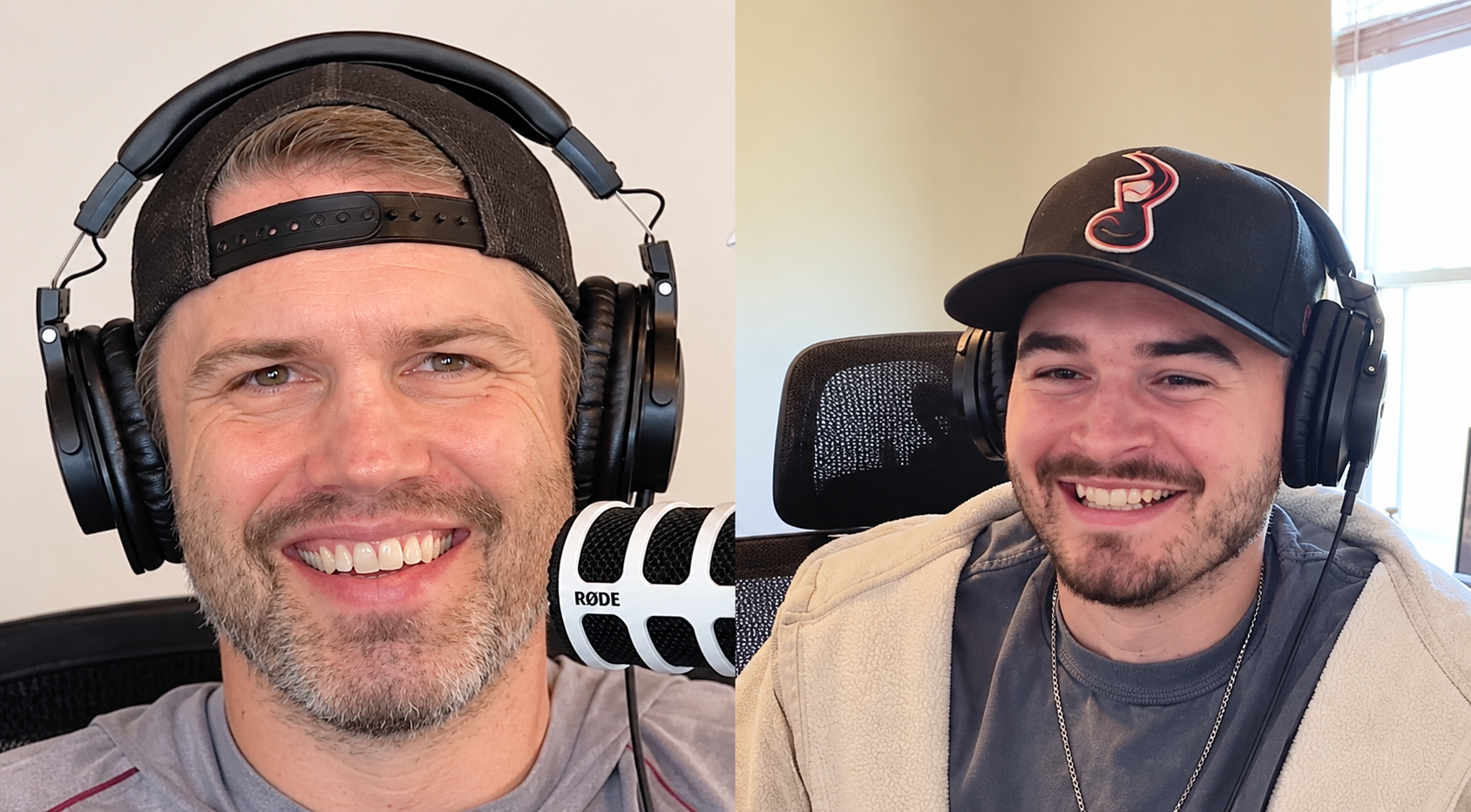
Ryan Bronson was on what we call episode zero of OverPressure, back when we were still checking whether our microphones worked. Ryan and I build a company together, and I brought him back for a current-events episode about AI and what business owners should do with all the change hitting their marketing. He comes from the music world, where his work has racked up millions of streams and plays.
Volume Comes Before Quality
Ryan calls content a quantity game. He suggests taking one video, cutting it five different ways and testing those versions as trial reels. Each edit gets different results, and with so much content getting pushed out, he says the moment you publish also affects performance.
My view is that it takes enough volume to get your quality right. Ryan pointed out that nobody knows at the start which format fits their personality or what people will cling to, so repetition matters. Special operations training ran on the same logic, where we repeated drills until the movement became automatic.
I think plenty of COVID-era content creators have given up or are close to it, and the long game is where people win. I recently saw a stat from a creator I follow showing about ten years of zero before a sharp climb, which Ryan tied to the old line about overnight success taking ten years.
Let AI Handle the Editing
Ryan walked through an editing tool I introduced him to, where he gets the code right through Claude or ChatGPT and lets the system turn raw footage into an ad or organic format. It cleans up the audio and adds graphics and on-screen text, so someone scrolling on mute can still follow along.
Ryan’s rule of thumb was blunt: don’t suck. He believes you have to be confident in what you say and make sure people want to hear it. Ryan says AI can make good content far better and faster to produce, so the message has to be solid before editing starts.
Treat Every Post Like a Commercial
Business owners and musicians often tell Ryan they don’t want to be content creators. Businesses used to buy commercials and radio spots, and Ryan points out that people now give that attention to podcasts, Instagram, TikTok and YouTube Shorts. He sees each post as your advertisement and says you can make lots of them and keep improving, compared with one awkward commercial during a Christmas movie.
Human psychology has stayed about the same through newspapers, radio, TV and the internet. I see AI as the next of those channels, where people look at one box on their screen and ask for what they want. That gives older content a second life, since AI can surface a video made ten years ago if it fits what someone needs today.
People Still Want Someone Real
One tip that has worked well for Ryan is about authenticity. He noted that people have stopped trusting the news and advertising, feel sold to all the time and go on social media looking for someone they can trust and a genuine connection.
So he uses AI to help with his ideas and keeps the final product grounded. Completely cartoonized content can work for humor or to drive home a message, and most of the time he wants it to come across as real. In PR, coverage only helps when readers believe the person quoted, and viewers judge a business owner’s video the same way.
AI and Content Creation in Practice
- Ryan Bronson, who has a music background with millions of streams and plays, describes social content as a quantity game where repetition and testing matter.
- Posting the same video with five different edits as trial reels can show which version performs best, and posting time affects results.
- AI editing workflows built with tools like Claude or ChatGPT can cut raw footage into ad or organic formats, improve audio and add on-screen text for viewers watching on mute.
- Audiences on social platforms look for genuine connection, so AI-assisted content works best when it still feels authentic.
- Austin Holmes says he no longer has to read emails himself and answers them by clicking yes, no or edit.
Weather the Storm
We also talked about robotics and energy. I see labor and energy as two of the biggest limits on society. Farming once kept around 80% of the population busy all day. I believe we already live in very prosperous times by historical standards, and AI will help solve a lot of problems quickly. My own inbox shows it, since I don’t have to read emails anymore and just click a button for yes, no or edit, which saves me significant time.
Ryan is excited about people getting out of survival mode. Once someone isn’t stuck just getting by, they can put their energy into problems they care about, and he believes passionate people are relentless at solving them.
When I asked for his advice on everything happening right now, he kept it simple: weather the storm. He expects plenty of confusion and believes it will even out, as every technology and societal change has before.
Pick one video you’ve already filmed, cut it five different ways with an AI editor and post each version as a trial reel to see which one your audience actually watches.
Ryan’s episode, detours into space travel and all, can be streamed now on YouTube as well as Spotify.
——–
About The Author
Austin Holmes is a Navy Special Operations veteran, father, and entrepreneur. He is the co-founder and President of Publicity For Good and CEO of Signal Raptor, a SaaS-enabled PR platform that modernizes one of the most traditional industries by productizing services and pairing technology with human expertise. He hosts the OverPressure Podcast, where he interviews veteran entrepreneurs about building businesses under real-world pressure.
Read us often? Make Booked Impact Live Editorial a preferred source in Google Search and see our reporting more often in Top Stories.