Picture a leadership coach in Columbus at 9 p.m., laptop open on the kitchen table. She has given the same 40-minute talk for free at a library, two Rotary lunches and a church leadership retreat. People stay after to ask questions.
Tonight an email lands from a regional HR association: “We’d love to have you at our spring conference. What’s your fee, and can you send a demo video?”
She has no number, no video and no one-sheet. She has a good talk and a short window before that planner fills the slot with someone who is ready.
Quick answer
To land a first paid speaking gig in 90 days, spend month one building and testing one signature talk on free local stages, month two recording a short demo video and a one-sheet, and month three pitching about 50 event planners directly with a quoted fee, often $500 to $5,000 for new speakers.
Key takeaways
- Build one signature talk with a 20-minute core that stretches to fit keynotes, breakouts and workshops.
- Use free stages like Toastmasters and association chapters to rehearse, record footage and collect testimonials.
- Keep the demo video short, open fast, and show at least two continuous minutes before a live audience.
- Published starting fees for new speakers cluster around $500 to $5,000, according to The Speaker Lab.
- Pitch event planners directly first; bureaus typically take 20 to 30% and favor higher-fee speakers.
Is 90 days a realistic timeline for a first paid speaking gig?
For someone who already knows a subject well, it often is, though nothing here is a guarantee. Ninety days is enough time to shape one talk, record it, package it and pitch it to the people who book speakers. It is rarely enough time to land a five-figure keynote.
The plan below is built for that first, modest paid booking: a breakout session, a lunch keynote for an association chapter, or a half-day workshop for a company. It runs in three 30-day blocks. Each block produces one asset you need before the next one makes sense.
We pulled the numbers in this piece from bureaus, speaker trainers and the organizations that run the most common practice stages. Where sources disagree, we say so.
How do you build a signature talk in the first 30 days?
A signature talk is the one presentation you can give anywhere, adjust for any audience and deliver well on a bad day. Planners book a specific talk, not a general expert.
Start with the audience’s problem, not your biography. Write one sentence that finishes “After this talk, people in the room will be able to…” If that sentence is vague, the talk will be too.
- One problem. Pick the issue your audience loses sleep over and that you have solved for clients.
- Three moves. Give people a short framework they can repeat to a colleague the next morning.
- Two stories. Use client stories with permission, or your own, so the framework has faces attached.
- Flexible length. Build a 20-minute core that stretches to 45 or 60 minutes with exercises and Q&A.
That 20-minute core matters more than it looks. It fits a breakout slot, it can be trimmed for a short-format stage, and it is the version you will record.
Then rehearse it out loud, in front of people, as often as you can. A live room shows you where attention drops faster than any amount of editing on paper.
Where can new speakers find their first stages?
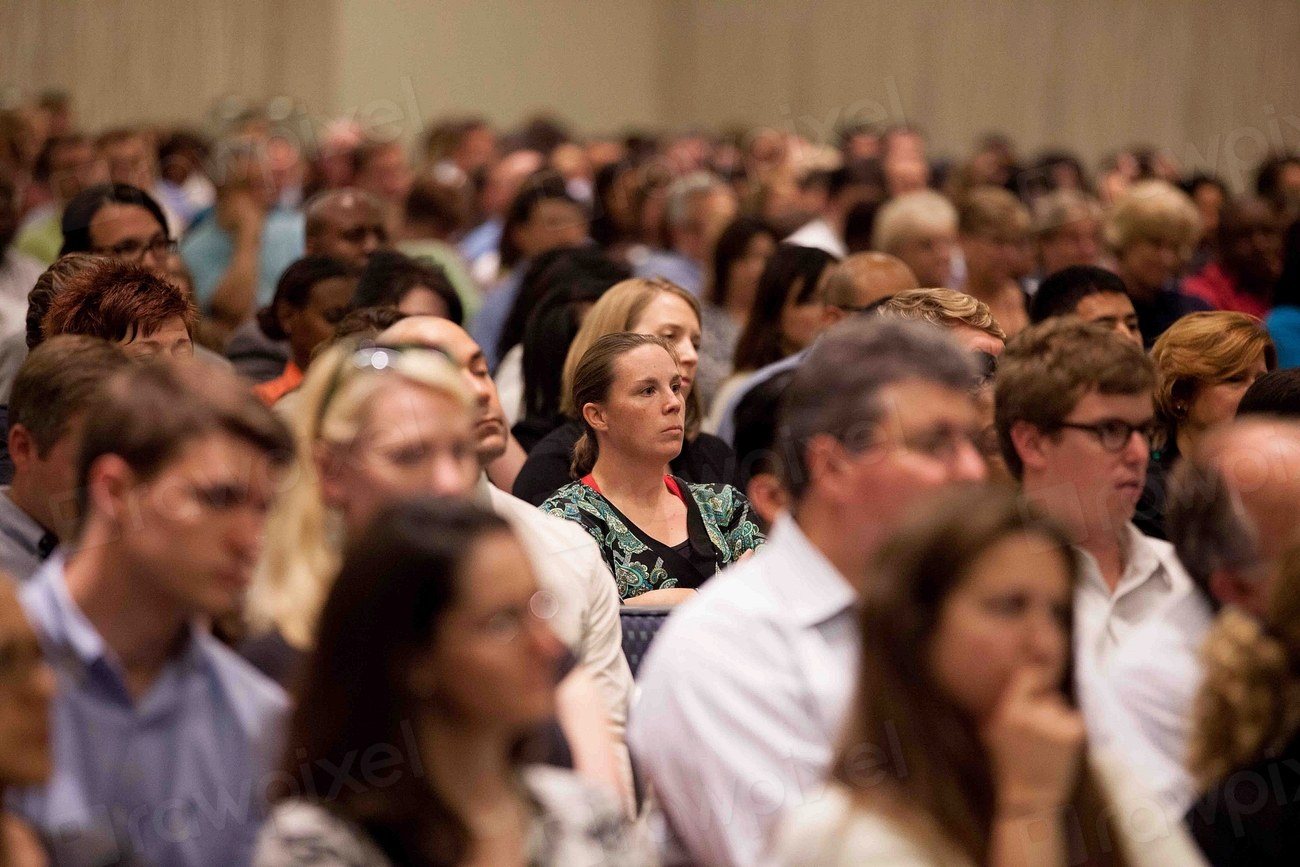
Unpaid stages are not a detour. They are where you test material and collect footage, testimonials and referrals. A fair goal for the first six weeks is three to five live deliveries.
Toastmasters is the most structured option. The organization says it has over 265,000 members in more than 13,800 clubs in nearly 150 countries, where members prepare and deliver speeches, respond to impromptu questions, and give and receive constructive feedback. It is a practice room, not a booking channel, and that is the point.
Beyond that, look for groups that already schedule a speaker every week or month:
- Rotary, Kiwanis and Lions clubs
- Chambers of commerce and small business development centers
- Local chapters of professional associations in your field
- Libraries, coworking spaces and university career centers
- Industry meetups and employee resource groups at local companies
Association chapters deserve extra attention. Their members often sit on the committees that choose speakers for regional and national conferences, which is where paid slots tend to live.
TEDx is a different kind of stage. Under the official TEDx rules, talks are typically under 18 minutes, events “may neither pay nor charge speakers,” and speakers cannot promote their own products, books or businesses. A TEDx talk can be strong proof, but it will not pay you and it is not a sales pitch.
What goes in a speaker demo video and one-sheet?
Days 31 to 60 are for packaging. Planners compare several speakers at once, and the demo video is usually the first thing they open.
The demo video
Advice on length varies. Shawn Hanks, CEO of Premiere Speakers Bureau, told The Speaker Lab that a single demo video should run between 3 and 5 minutes, with multiple shots and audiences and real audience reactions. The bureau SPEAKING.com recommends at least 2 consecutive minutes of you speaking before an audience after a 30 to 45 second opening, and warns that most planners only watch the first few minutes.
For a first reel, that points to a simple structure:
- A 30 to 45 second open with your name, your talk title and the problem it solves.
- Two or more minutes of continuous footage from a live room, not a montage of applause shots.
- Short testimonial and credential clips, kept to a minute or less.
SPEAKING.com also notes that most bureaus will not want your contact information at the end of the video, so it suggests one version for bureaus and one for direct clients. Hanks offers a budget rule of thumb: one of your speaker fees should cover the cost of your video. For a first reel, steady footage from a well-lit room with a clip-on mic is a reasonable start.
The one-sheet
A one-sheet is a single page, usually a PDF, that a planner can forward to a committee. Keep it to the essentials:
- A professional headshot and a two-sentence bio
- The signature talk title and three outcomes for the audience
- Formats offered: keynote, breakout, workshop, virtual
- Two or three short testimonials from your free stages
- A link to the demo video and a way to reach you
Speaker Spotlight: Garry Lineham
Garry Lineham, co-founder of Human Garage and creator of Fascial Maneuvers, was booked to keynote the Berlin Life Summit during Longevity Week Berlin in May 2026. Our playbook breaks down how years of visible results, not a cold application, made that invitation possible.
How much should you charge for your first paid speaking gig?
There is no official rate card. The most useful published ranges come from speaker trainers and bureaus, and they describe their figures as experience, not survey data.
Here is how The Speaker Lab’s speaking fee guide breaks it down:
| Speaker stage | Typical fee range (per The Speaker Lab) |
|---|---|
| Just starting out, little or no experience | $2,500 to $5,000 |
| Newer speakers and education-industry speakers | $5,000 to $10,000 |
| Experienced corporate speakers | $10,000 to $20,000 |
| Bestselling authors, pro athletes, B-list celebrities | $20,000 to $50,000 |
The same guide also says new speakers often start near $500 to $1,500, and it calls $2,500 “a good ballpark estimate” for a quoted fee. Its sample script is worth borrowing: state your typical fee, then offer a lower number in exchange for something specific, such as a professional recording or a referral.
That trade matters because the fee is only one line in the agreement. Recording rights, travel and placement on the program can be worth as much, which we covered in nine things speakers should negotiate besides the fee. For the factors behind the number itself, see our guide to setting your speaking fee with confidence.
Speaking income is business income. Talk with a licensed tax professional about how to track and report it, and put a simple written agreement in place before you accept a deposit.
Should a new speaker pitch speakers bureaus?
Usually not first. Bureaus act as intermediaries between speakers and clients. They charge the speaker nothing upfront and take a share of each booking. SpeakerFlow puts the average bureau commission at 20 to 30%, and notes that bureau sales reps have less incentive to sell speakers whose fees are relatively low, under $10,000.
For a speaker quoting $2,500, the math is plain. A 25% commission leaves $1,875 for the speaker and $625 for the bureau, which could spend the same sales effort on a five-figure keynote.
A better first-year plan is to book directly, build a record of paid engagements and testimonials, then approach bureaus once your fee and footage fit what they sell. Our roundup of agencies that help speakers find paid gigs is a starting list for that later step.
How do you pitch event planners directly in days 61 to 90?
The final month is outreach. Your targets are the people who book speakers for events your audience already attends.
- Build a list of 50 events. Think regional association conferences, state chapter meetings, corporate training days and industry trade shows in your niche.
- Find the right person. Look for an education chair, a program committee, a conference manager or a call-for-speakers page.
- Send a short, specific pitch. Name their event and audience, give your talk title, list three takeaways, and link the demo and one-sheet.
- Follow up once. Committees often plan months ahead, so a polite note a week or two later is normal.
- Ask every free host for a referral. The program chair of a chamber lunch may know the person running a paid regional conference.
Track every pitch in a spreadsheet: event, date, contact, status. Ten pitches a week for five weeks gets you to 50. Expect most to go unanswered. One yes is the goal.
What does a 90-day speaking plan look like week by week?
| Weeks | Focus | Done when |
|---|---|---|
| 1 to 2 | Define audience, problem and talk outcome | One-sentence promise written, free stages requested |
| 3 to 4 | Draft and rehearse the 20-minute core | First live delivery done |
| 5 to 6 | Deliver live and record | Usable footage and three testimonials |
| 7 to 8 | Edit demo video, design one-sheet | Bureau and direct versions ready |
| 9 to 10 | Build a list of 50 events and contacts | Spreadsheet complete, first pitches sent |
| 11 to 13 | Pitch, follow up, quote a fee | First paid booking or a working pipeline |
What happens if day 90 arrives without a paid booking?
Keep the system running. The talk, the video, the one-sheet and the list do not expire, and conference committees often book well in advance, so a pitch sent in month three can turn into a booking months later.
Go back to the coach at her kitchen table. On day 90 she may or may not have a signed contract. She will have what she lacked the night that email arrived: a clear talk title, a demo link, a one-page sheet and a fee she can say out loud. The next time a planner asks, she answers in one email instead of going quiet.
Get featured on Booked Impact
Remember the coach who couldn’t answer a planner’s email? Plenty of speakers are one good story away from their next booking. If you have a talk, a method or a hard-won lesson about getting booked, tell us about it.
Frequently asked questions
Do you need a book to get paid speaking gigs?
No. A book can add credibility, but planners mostly want to know whether your talk fits their audience and whether your video shows you can hold a room. Many speakers book paid engagements first and write a book later, once their message has been tested on stage.
How many free talks should you give before charging?
There is no fixed number. A practical signal is when you have usable footage, a few written testimonials and a talk that gets consistent reactions from different audiences. At that point, quoting a fee for the next relevant request is reasonable.
What is the difference between a keynote and a breakout session?
A keynote is a general session delivered to the full audience, often opening or closing an event. A breakout is a smaller session that runs alongside others and goes deeper on one topic. Breakouts are often an easier first paid slot for newer speakers.
Can new speakers get paid for virtual talks?
Yes. Many associations and companies book speakers for webinars, online conferences and remote team trainings. Fees and expectations vary by organization, so ask the planner about the format, audience size and recording plans before you quote.
Do you have to pay taxes on speaking fees?
Speaking fees are generally business income, and expenses tied to earning them may be treated differently than personal costs. Rules depend on where you live and how your business is set up, so talk with a licensed tax professional before your first paid booking.
Sources
- Toastmasters International Media Center: About Toastmasters International
- TED: TEDx Rules
- The Speaker Lab: 3 Tips to Make Your Demo Video Pop with Shawn Hanks of Premiere Speakers Bureau
- SPEAKING.com: How to Create the Best Speaker Demo Video
- The Speaker Lab: Speaker Fees, The Ultimate Guide to Determining What You Should Charge
- SpeakerFlow: How Does a Speakers Bureau Work?
Read us often? Make Booked Impact Live Editorial a preferred source in Google Search and see our reporting more often in Top Stories.