You are an event chair for a regional professional association. It is Thursday afternoon, and 40 speaker PDFs are sitting in a shared inbox, forwarded by members who each swear they found the perfect keynote.
You open the first one. A wall of text, a photo from a wedding, six topics and no clear idea who it is for. You close it before your coffee cools. Thirty-nine to go.
Quick answer
A speaker one-sheet should tell a booker, within about 10 seconds, who you are, what one talk you deliver, who it is for and what the audience gets. Lead with a specific headline and outcome, add proof such as past events and a short testimonial, list formats, and end with one clear way to book you.
Key takeaways
- Bookers skim. Web research finds users decide whether to stay within the first 10 seconds.
- Lead with one talk, one audience and one outcome, not a list of topics.
- Proof beats adjectives: name past events, audiences and real testimonials.
- Fewer than 8% of organizers book speakers alone, so design it to be forwarded.
- Fake or invented testimonials can break FTC rules. Use only real, attributable quotes.
That chair is not being harsh. She is being normal. Booking decisions start with a scan, and a one-sheet that cannot survive the scan never gets read.
This guide rebuilds the one-sheet from the top down, zone by zone, around what a booker is actually trying to figure out in those first seconds.
What is a speaker one-sheet actually for?
A one-sheet is not a biography and not a brochure. It has one job: to get you onto the shortlist so someone requests a call, a video or a date hold.
That shapes everything. The page does not need to tell your whole story. It needs to answer the booker’s first questions fast enough that they want the second conversation.
Those first questions are predictable:
- Who is this person, in one line?
- What talk would they give us?
- Is it right for our audience?
- Can they hold a room?
- How do I book them, and roughly what will it cost?
What does a booker see in the first 10 seconds?
There is no eye-tracking study of speaker one-sheets that we could find. But there is long-standing research on how people skim pages. In a widely cited analysis, usability researcher Jakob Nielsen found that users often leave web pages in 10 to 20 seconds, and concluded that a page must communicate its value proposition within 10 seconds to earn more attention.
A one-sheet opened as a PDF attachment faces a similar test. The first glance lands at the top of the page: your name, your headline, your photo and whatever line sits directly beneath them.
So the top third has to carry the decision. If the booker cannot tell what you speak about and who it serves before they scroll, the rest of the page is decoration.
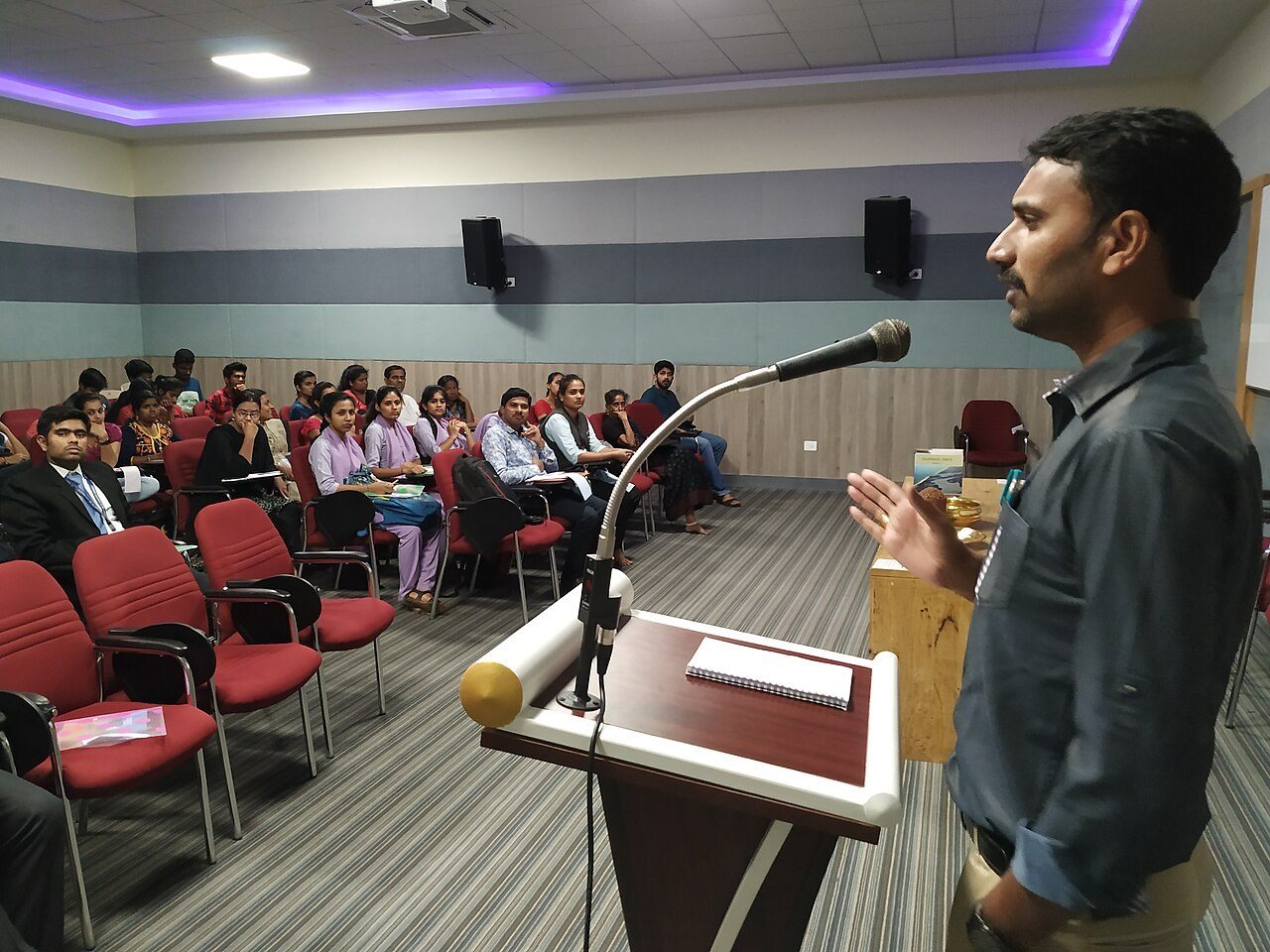
What belongs on a speaker one-sheet, top to bottom?
Think of the page in four zones, each answering one of the booker’s questions.
| Zone | What goes there | The booker’s question |
|---|---|---|
| Top third | Name, a one-line positioning headline, a professional photo, your signature talk title and a one-sentence audience outcome | Who is this, and is it for us? |
| Middle | Three short takeaways from the talk, the audiences it fits and the formats you offer | What would our people get? |
| Proof strip | Named past events or clients, one or two real testimonials with names and titles, and a link to video | Can they hold a room? |
| Footer | One booking contact, a link to your speaker page and, if you publish it, a fee range | How do I take the next step? |
The headline is the hardest line to write and the most important. Compare two versions:
- Weak: “Inspirational speaker, coach and author passionate about helping people reach their potential.”
- Stronger: “Helps hospital managers cut turnover in their first 90 days as supervisors.”
The second one names an audience and an outcome. A booker for a healthcare leadership event knows in one line whether to keep reading. A booker for a sales kickoff knows just as fast that it is not for them, which saves everyone time.
How do organizers decide whether a speaker fits?
The most detailed recent data on what organizers weigh comes from AAE Speakers Bureau’s 2024 Speaking Industry Benchmark Report, which PCMA’s Convene covered in April 2024. In that survey of 340 organizers, audience engagement was the top booking priority (67%), followed by education for the audience (49%). Staying within budget was a top priority for two in five.
That ranking is a writing brief. Your middle zone should show how you engage a room and what the audience will learn, in that order. “Interactive keynote with a 10-minute table exercise” says more than “dynamic and engaging.”
Formats are worth spelling out. In Amex GBT’s 2027 Global Meetings and Events Forecast, released Oct. 13, 2026, planners said attendees increasingly expect hands-on, interactive sessions and workshops (31%) and more personalized interactions (35%). If you offer a workshop version, a virtual version or a facilitated breakout, list them.
Speaker Spotlight: Chrissy Peterson
Bay Area actor, producer and emerging filmmaker Chrissy Peterson is deliberately building in two lanes at once, in front of the camera and behind it through Silver Lining Productions. Our analysis shows why a clearly stated point of view keeps that positioning sharp instead of diluted.
What should you cut from your one-sheet?
Most one-sheets fail because of what they include, not what they leave out. Cut ruthlessly:
- The topic menu. Six talk titles tells the booker you are not known for any of them. Lead with one, and mention that others exist.
- The full biography. Keep a two- or three-sentence bio. Link to the long version.
- Adjectives about yourself. “Dynamic,” “powerful” and “world-class” are claims. Named events and real quotes are evidence.
- Logo soup without context. Ten logos with no indication of what you did for them reads as filler. Three named engagements with the audience type are stronger.
- Tiny text. If it needs to be shrunk to fit, there is too much on the page.
Proof deserves extra care. Our guide to maximizing your reputation with client feedback and testimonials covers how to collect quotes worth printing. Use only real ones. The Federal Trade Commission’s final rule on fake reviews and testimonials, announced Aug. 14, 2024, bars testimonials from people who do not exist or who had no actual experience with the business, and allows the agency to seek civil penalties against knowing violators. If you have questions about how the rule applies to your materials, talk to an attorney.
Should a speaker one-sheet list a fee?
There is no single industry rule, and plenty of speakers leave fees off entirely so they can discuss scope first. But publishing a range is common among bureau-represented speakers.
Executive Speakers Bureau’s 2026 fee analysis, based on 3,547 speaker profiles and data collected Sept. 23, 2026, reports that 87% of those speakers publish an in-person fee range. A range in the footer can save a booker with a $5,000 budget, and you, an exploratory call that was never going to work.
If you list a range, keep it honest and current, and note that travel is separate if it is.
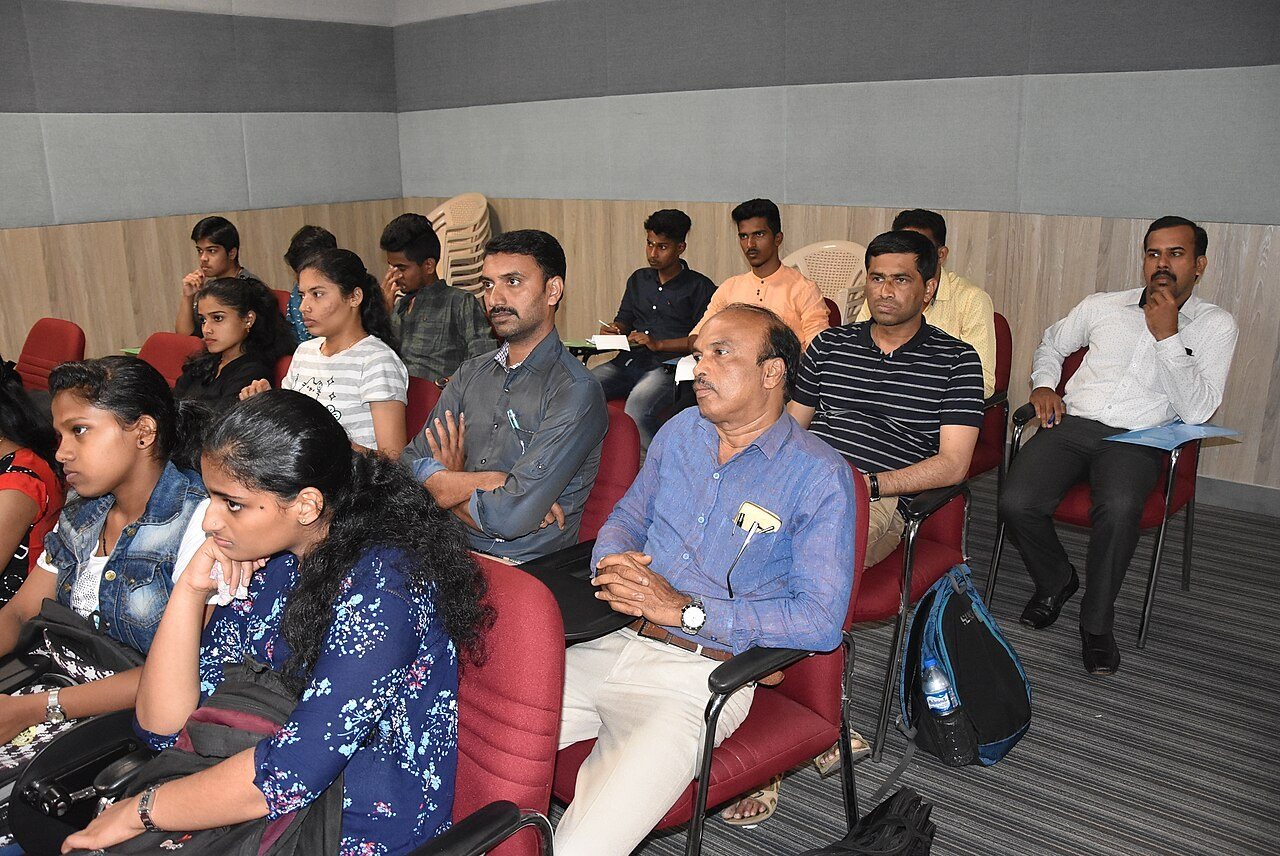
How do you make a one-sheet that survives being forwarded?
A one-sheet rarely stays with the person who opened it. In the same AAE survey reported by PCMA, fewer than 8% of organizers said they make booking decisions alone. Your page will be forwarded to a committee, a boss or a sponsor who has never heard of you.
That means it must make sense with no cover email:
- Name the file well. “Firstname-Lastname-Speaker-One-Sheet.pdf” beats “final_v7.pdf.”
- Keep it to one page. Two at most, with the second page reserved for detail.
- Make links clickable and visible. Your video and booking page should work from the PDF and still be readable if printed.
- Check contrast. The W3C’s accessibility guidance sets a minimum contrast ratio of 4.5:1 for normal text. Light gray type on a photo fails people reading on a phone in a bright room.
- Repeat your contact in the footer. The person who finally decides may only see the bottom of the page.
Video is the natural next click. Our step-by-step guide to creating an impactful speaker reel pairs well with a rebuilt one-sheet.
What does a rebuilt one-sheet look like?
Here is a plain-text sketch for a hypothetical speaker, a former nurse manager who now trains new supervisors. Every line maps to a zone above.
- Headline: Helps hospital managers cut turnover in their first 90 days as supervisors.
- Signature talk: “The First 90 Days,” a 45-minute keynote with an optional 90-minute workshop.
- Audience outcome: New supervisors leave with a written plan for their first three one-on-one meetings.
- Takeaways: three short bullets, each beginning with a verb.
- Proof: two named past engagements with the audience type, one real testimonial with name and title, and a video link.
- Footer: one email address, one booking page and a published fee range.
Notice what is missing: the childhood story, the full list of certifications, the eight other talks. All of that can live on a website. The one-sheet only has to earn the next click. If credibility is thin, build it before you design around it; our piece on ways to establish credibility in your niche is a practical start.
How often should you update a speaker one-sheet?
Review it every few months and after every notable engagement. Swap in your most recent and most relevant events, refresh testimonials and check that every link still works.
It also helps to keep two or three tailored versions. A one-sheet for association conferences might lead with education outcomes, while a corporate version might lead with a business result. The core talk stays the same. The framing meets the reader where they are.
Now picture that event chair again, still working through her inbox. She opens a PDF and in one line sees a talk built for her members, an outcome she can repeat to her committee, a real quote from a group like hers and a single link to book. She does not close it. She forwards it, with a short note on top: “This one.”
Get featured on Booked Impact
The best one-sheets get forwarded with two words on top: “This one.” If your story has earned that kind of attention from bookers, share it with us and you could be featured on Booked Impact.
Frequently asked questions
What is the difference between a speaker one-sheet and a speaker kit?
A one-sheet is a single page meant to get you shortlisted quickly. A speaker kit, sometimes called a media or press kit, is a fuller package that can include a long bio, several talk descriptions, photos, video links, A/V needs and logistics.
Should a speaker one-sheet be a PDF or a web page?
Many speakers use both: a PDF that is easy to attach and forward, and a web page that is easy to update and share by link. Whichever you send, make sure links work, the file name includes your name and the page reads well on a phone.
What photo should go on a speaker one-sheet?
Use a recent, professional photo, ideally one of you speaking on stage to an audience. It shows the booker you have done this before. Avoid casual or heavily cropped photos that look borrowed from a social profile.
How many testimonials should a speaker one-sheet include?
One or two short testimonials usually work better than a crowded block. Choose quotes from organizers or audiences similar to the reader's, include the person's name and title with permission, and only use real, verifiable quotes.
Do I need a one-sheet if I already have a speaker reel?
Yes, in most cases. A reel proves you can hold a room, but a booker often decides whether to watch it based on a quick scan of written material first. The one-sheet gets the click, and the reel helps close the decision.
Sources
- Nielsen Norman Group: How Long Do Users Stay on Web Pages?
- PCMA Convene: Survey Explores Speaker and Planner Dynamics
- Amex GBT: 2027 Global Meetings and Events Forecast (PDF)
- Federal Trade Commission: Final Rule Banning Fake Reviews and Testimonials
- Executive Speakers Bureau: Keynote Speaker Fees, What Speakers Actually Cost in 2026
- W3C: Understanding Contrast (Minimum)
Read us often? Make Booked Impact Live Editorial a preferred source in Google Search and see our reporting more often in Top Stories.